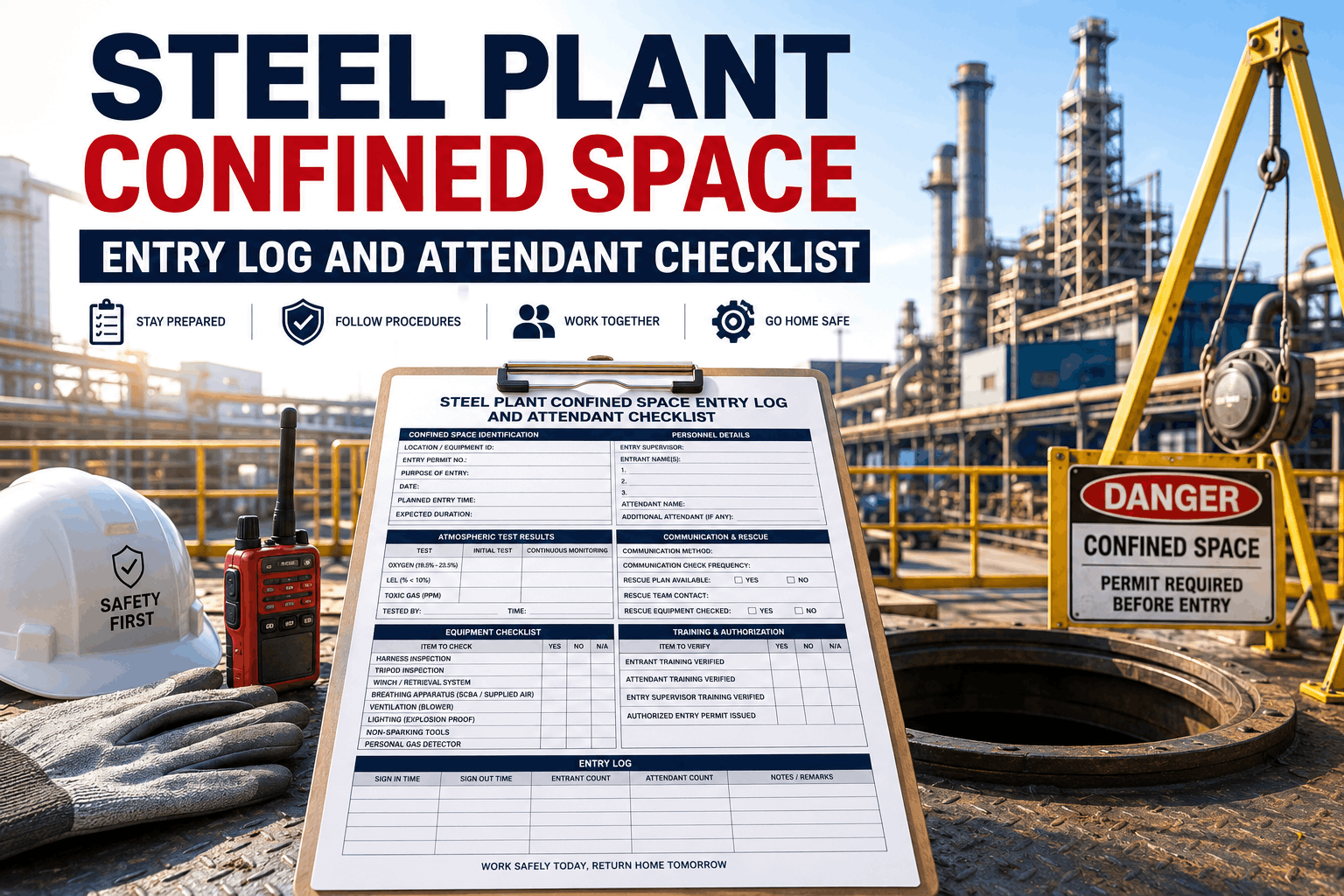
Confined space entry compliance safeguards worker lives and protects facilities from catastrophic incidents. Permit-required confined spaces present unique hazards—oxygen deficiency, atmospheric hazards, engulfment risks, and limited exit routes—that demand rigorous documentation and real-time attendant oversight throughout entry operations. OSHA 29 CFR 1910.146 mandates comprehensive permit space programs, written entry permits, atmospheric testing records, and continuous monitoring logs for every entry. Steel plants, refineries, chemical processors, water treatment facilities, and manufacturing operations manage dozens of confined space entries annually. A structured digital confined space entry log system paired with a mobile attendant checklist ensures every atmospheric test is recorded, every entrant status is monitored, and every rescue plan is verified before work begins. Oxmaint's confined space management module centralizes entry permits, atmospheric monitoring data, attendant duty logs, and compliance records—eliminating paper forms, preventing missed safety steps, and building audit-ready documentation that satisfies OSHA, EPA, and state inspectors on first review.
Manage Confined Space Entry Compliance with Oxmaint
Digital entry permits, atmospheric test logs, attendant checklists, and real-time entrant monitoring—all in one platform built for safety and regulatory compliance.
1. Pre-Entry Planning & Confined Space Identification
Proper identification, hazard assessment, and pre-entry planning prevent unauthorized entry and ensure only trained personnel access permit-required confined spaces. Every confined space must be labeled, assessed, and documented before any entry begins.
2. Atmospheric Testing & Air Quality Verification
Atmospheric hazards cause the majority of confined space fatalities. Systematic testing for oxygen, combustible gases (LEL), and toxic vapors must occur before entry and continue throughout the operation to detect real-time changes in space conditions.
3. Attendant Duties & Entrant Monitoring Log
The attendant is the lifeline for entrants. Attendant duties include continuous visual monitoring, communication maintenance, permit verification, rescue plan confirmation, and immediate response to emergency signals. Complete attendant duty logs document every shift interaction and condition check.
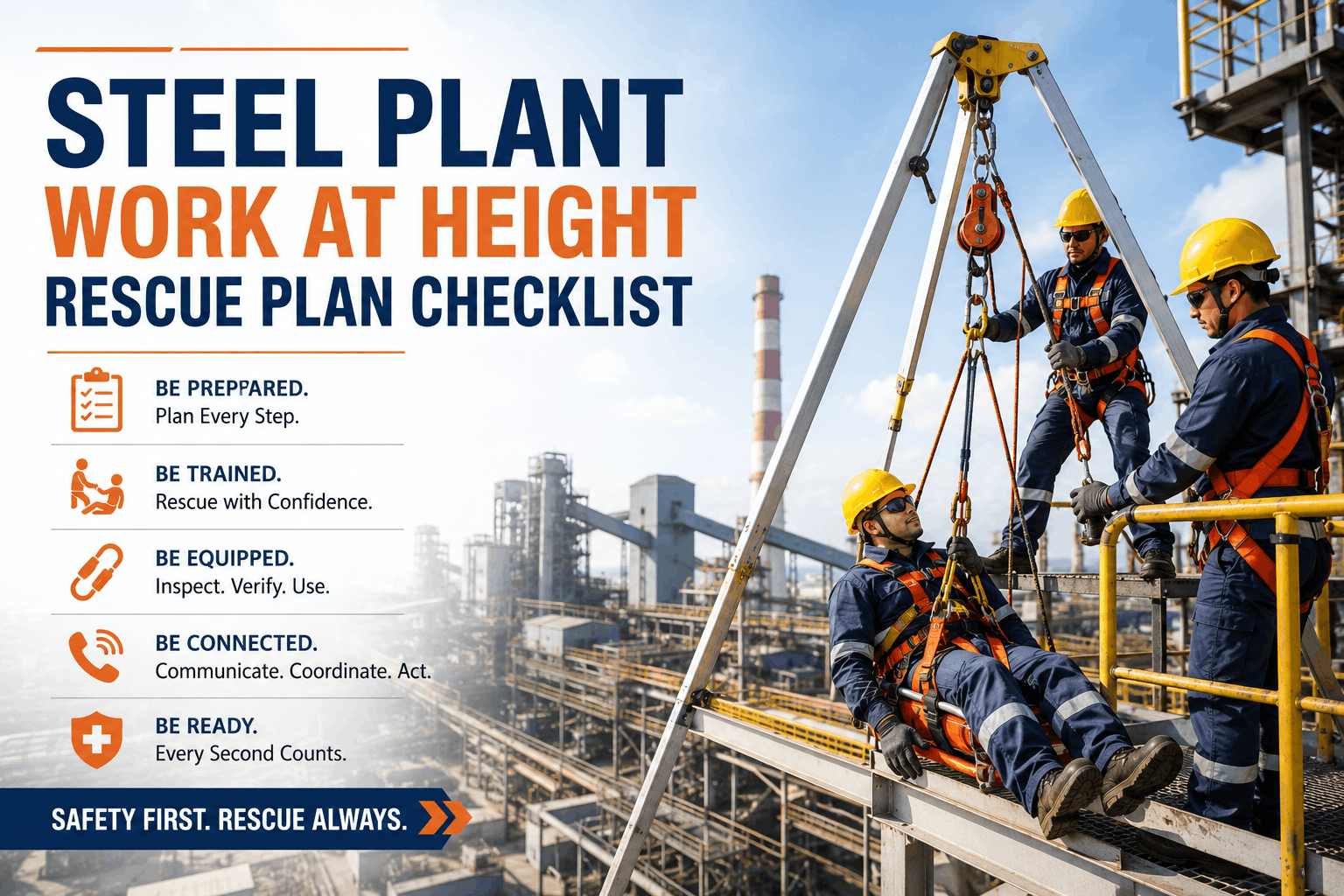
4. Rescue Plan Verification & Emergency Response
Every permit-required confined space entry requires a documented rescue plan with trained rescue personnel on standby, rescue equipment inspected and ready, and communication protocols established. OSHA mandates prompt rescue capability—ideally rescue response under 6 minutes per ANSI Z359 guidance—to prevent suspension trauma and fatalities.
5. Entry Permit Closure & Documentation Archival
Proper permit closure ensures all monitoring is complete, conditions are safe for space re-closure, and documentation is complete before archive. Long-term retention of entry logs creates compliance evidence and historical trends for improving future entry safety and planning.
Simplify Confined Space Entry Management with Oxmaint
Digital permits, atmospheric logging, attendant checklists, rescue plan integration, and compliance-ready documentation—all accessible from mobile at the entry site.
"Implementing Oxmaint's confined space module transformed how we manage entry operations across our steel plant. Atmospheric tests now flow directly into the permit, attendants receive real-time alerts if readings spike, and our compliance audit prep dropped from 40 hours to under 5. OSHA inspectors were impressed with our digital trail—zero citations on last visit. This system prevents the paperwork chaos that used to delay our entries by 2–3 hours."
— James Mitchell, EHS Manager, Midwest Steel Manufacturing, USA
Frequently Asked Questions — Confined Space Entry Log & Attendant Checklist
1. What is the difference between a confined space and a permit-required confined space under OSHA 1910.146?
A confined space is large enough for worker entry but not designed for continuous occupancy with limited entry/exit. A permit-required confined space contains or has potential to contain atmospheric hazards, material that could engulf workers, internal configuration that could trap workers, or other serious hazards. Only permit-required spaces demand written entry permits, atmospheric testing, attendants, and rescue plans.
2. How often must atmospheric testing be performed during a confined space entry?
Testing must occur before entry authorization. OSHA requires continuous or periodic atmospheric monitoring throughout the entry—best practice is continuous real-time monitoring with readings logged every 15 minutes minimum. If monitoring indicates unsafe conditions, entrant evacuates immediately and space is ventilated before re-entry.
3. What are the acceptable oxygen levels for safe confined space entry?
OSHA standard is 19.5%–23.5% oxygen. Below 19.5% is oxygen-deficient requiring ventilation or respiratory protection. Above 23.5% creates fire/explosion hazard. Test multiple locations inside space—top, middle, bottom, and exit area—to catch stratification of gases.
4. What is LEL and why is it critical to monitor in confined space entry?
LEL (Lower Explosive Limit) is the lowest concentration of combustible gas or vapor in air that will ignite if exposed to ignition source. LEL readings above 10% are hazardous for entry. Spaces with combustible vapors must achieve 0–10% LEL before authorized access. LEL monitoring protects against explosion during entry.
5. What are the key attendant duties required under OSHA confined space regulations?
Attendants must maintain continuous visual or electronic communication with entrants, monitor for signs of distress or atmospheric changes, prevent unauthorized entry, perform atmospheric monitoring, verify rescue equipment ready, and immediately initiate rescue if entrant signals distress. Attendant cannot perform other duties that distract from monitoring—their sole responsibility is entrant safety.
6. How quickly must rescue response occur if a worker becomes incapacitated in a confined space?
ANSI Z359 recommends rescue contact within 6 minutes to minimize suspension trauma risk. OSHA 1910.146 requires either prompt rescue capability or documented self-rescue procedures. Rescue team must be trained, equipped, on standby, and able to initiate extraction within minutes of distress signal.
7. What training is required for employees who perform confined space work?
Entrants, attendants, entry supervisors, and rescue team members must all receive formal confined space hazard recognition training, understand permit requirements, know emergency procedures, and complete hands-on practice with entry and rescue equipment. USA facilities typically require refresher training every 1–2 years. Training records must be retained and documented per OSHA requirements.
8. How long must confined space entry permits and monitoring logs be retained for regulatory compliance?
OSHA does not specify retention period but OSHA guidance recommends minimum 1 year. Best practice is 3–5 years to support trend analysis and demonstrate compliance pattern during audits. Digital archive systems like Oxmaint ensure long-term retention, searchability, and instant availability during regulatory inspection.