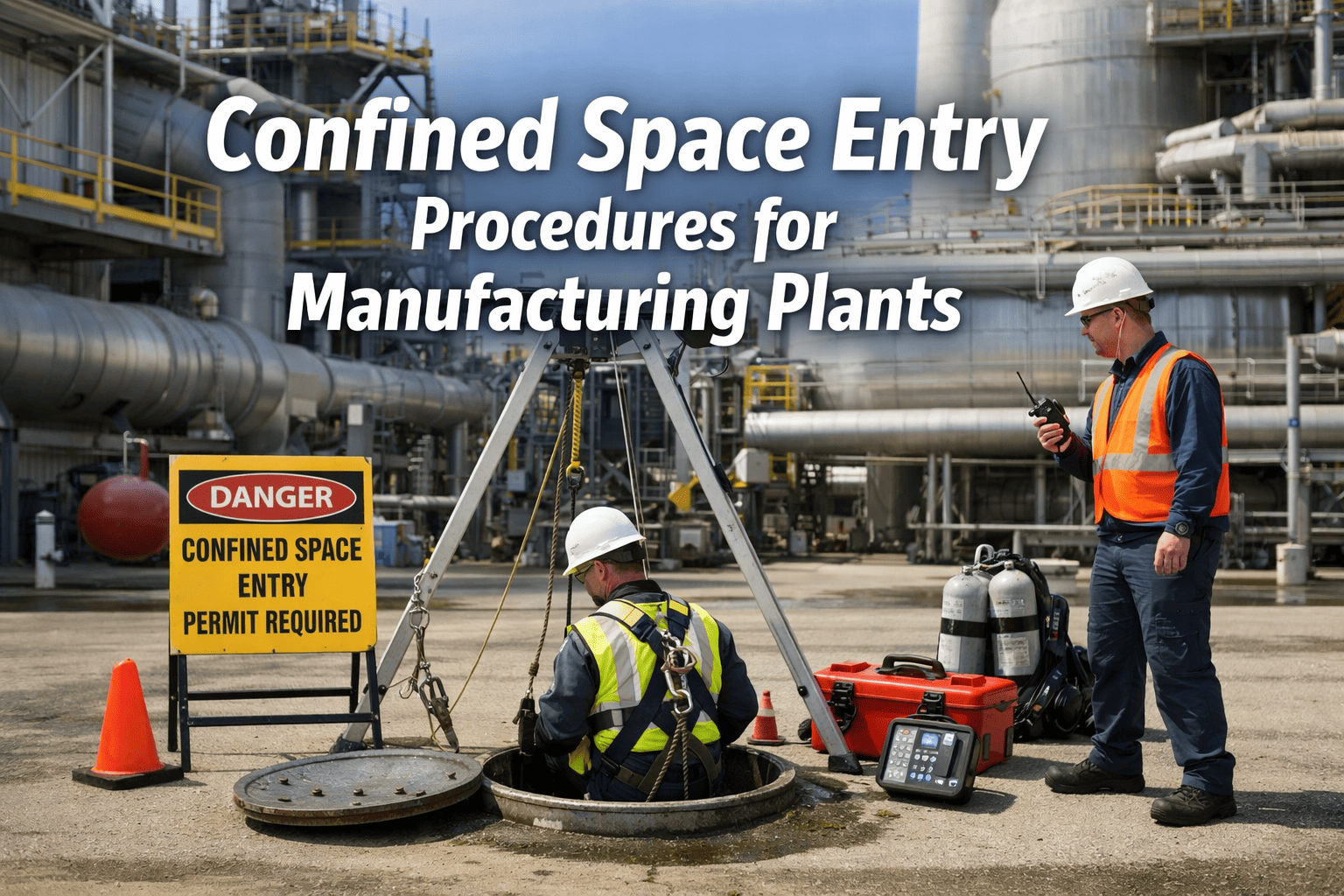
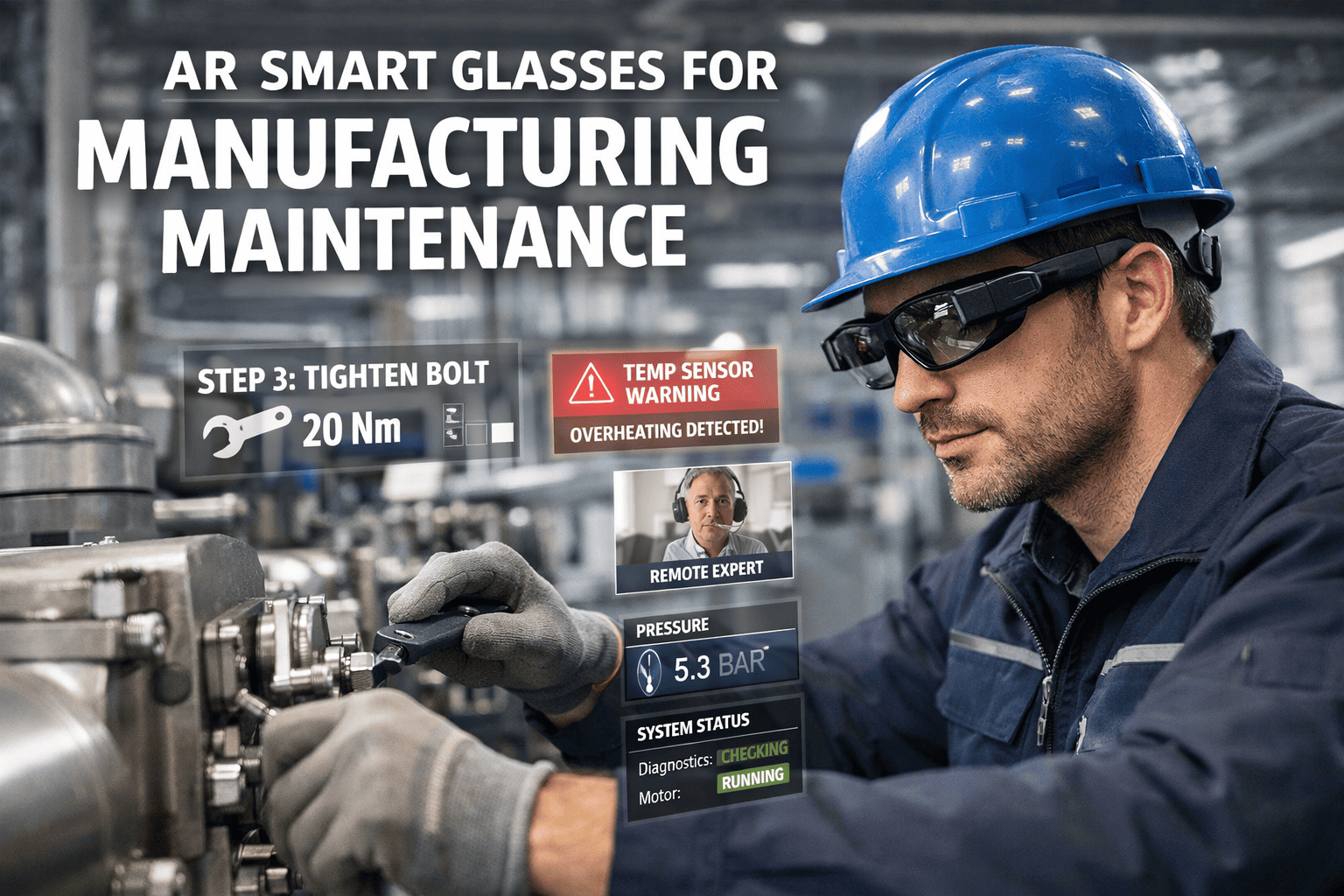
Every 15 seconds, a worker somewhere in the world dies from a work-related accident or disease. In cement manufacturing, where workers navigate rotating kilns operating at 1,400°C, confined spaces inside silos and preheaters, and airborne silica dust concentrations that can exceed safe limits by 280 times, this statistic carries particular weight. Your safety team cannot physically monitor every corner of a sprawling plant 24 hours a day—but computer vision systems can. When Holcim implemented AI-powered safety monitoring across their cement plants, they achieved a 30% reduction in safety incidents within the first year and a 50% decrease in lost-time injuries. This technology transforms your existing camera infrastructure from passive recording devices into intelligent safety guardians that never blink, never fatigue, and detect violations in milliseconds rather than minutes.
5,283
Fatal work injuries in 2023
3.5 per 100,000 workers
$50K+
Average cost per recordable injury
Direct + indirect costs
70%
Fall incidents from improper PPE
Preventable with monitoring
$4.1B
Fines and downtime in 2024
Manufacturing sector alone
Companies using Vision AI reduced safety exposure by up to 70% and cut compensation claims by 40%
Understanding Cement Plant Hazard Zones
Cement manufacturing presents a unique constellation of hazards that demand continuous vigilance. Unlike controlled factory environments, cement plants combine extreme temperatures, heavy rotating machinery, toxic dust exposure, and confined spaces across sprawling facilities that can span hundreds of acres. Traditional safety approaches relying on periodic manual inspections and worker self-reporting consistently miss violations that computer vision systems detect in real-time. The technology works by analyzing video feeds from existing CCTV infrastructure, identifying patterns of unsafe behavior, and flagging compliance breaches before they escalate into recordable incidents.
Critical Risk
Rotary Kiln Area
1,400-1,500°C
Heat exposure
Rotating equipment
Confined space
Dust inhalation
Required PPE: Heat-resistant suit, respirator, hard hat, safety glasses, gloves
AI Detection: PPE compliance, unauthorized entry, proximity alerts
High Risk
Raw Mill & Finish Mill
65-70% of electrical consumption
Rotating machinery
Silica dust
Noise exposure
Entanglement
Required PPE: Hard hat, respirator, ear protection, safety glasses, steel-toe boots
AI Detection: Hearing protection, dust mask compliance, machine guarding
High Risk
Silos & Storage Bins
Confined space permit required
Engulfment
Oxygen deficiency
Falls from height
Dust explosion
Required PPE: Harness, respirator, gas detector, hard hat, communication device
AI Detection: Entry authorization, harness verification, lone worker monitoring
Moderate Risk
Quarry & Material Handling
Heavy vehicle operations
Vehicle collision
Falling objects
Slips and trips
Dust exposure
Required PPE: High-visibility vest, hard hat, safety glasses, steel-toe boots
AI Detection: Vest compliance, pedestrian-vehicle proximity, exclusion zones
How Computer Vision Safety Systems Work
Computer vision safety monitoring operates through a sophisticated pipeline that transforms raw video feeds into actionable safety intelligence. Modern systems use deep learning models like YOLOv8 that achieve 95% or higher accuracy in detecting PPE items including helmets, vests, goggles, gloves, respirators, and safety boots. The technology integrates seamlessly with existing CCTV infrastructure, meaning plants can activate intelligent monitoring without significant hardware investments. When a violation occurs—a worker entering the kiln area without proper heat-resistant equipment, for example—the system triggers immediate alerts to supervisors while logging the incident for compliance documentation.
01
Video Capture
Existing CCTV cameras continuously stream footage from all monitored zones
30+ FPS processing
02
Object Detection
Deep learning models identify workers, PPE items, vehicles, and hazards in each frame
95%+ accuracy
03
Compliance Analysis
System compares detected PPE against zone-specific requirements and safety rules
Zone-aware logic
04
Real-Time Alert
Violations trigger instant notifications via dashboard, mobile app, or audio alarm
<2 second response
Detection Capabilities
PPE Detection
Hard hats, safety vests, goggles, gloves, respirators, ear protection, safety boots, harnesses
Behavior Monitoring
Unauthorized zone entry, unsafe postures, slip/trip/fall detection, fatigue indicators
Vehicle Safety
Pedestrian proximity, forklift collisions, loading zone violations, speed monitoring
Environmental Hazards
Smoke detection, spill identification, blocked exits, equipment anomalies
The integration of pose estimation technology adds another layer of intelligence to safety monitoring. Beyond simply detecting whether a hard hat is present, advanced systems can identify risky behaviors like improper lifting postures, workers leaning over unguarded edges, or signs of fatigue-related movements that precede accidents. Organizations looking to understand their current safety gaps should schedule a safety assessment consultation to evaluate how AI monitoring could address their specific operational challenges.
Cement-Specific Safety Applications
Cement plants present unique monitoring challenges that generic safety systems often fail to address. The combination of extreme dust levels that can obscure camera views, high-temperature zones that limit sensor placement, and confined spaces with restricted access requires purpose-built AI models trained on cement manufacturing environments. Effective implementation focuses on the highest-risk scenarios: kiln area access control, mill operation zones, silo entry monitoring, and vehicle-pedestrian interaction in material handling areas. Plants that have successfully deployed these systems report not only reduced incident rates but also improved near-miss reporting—a critical leading indicator that traditional monitoring consistently underperforms.
01
Kiln Zone Access Control
Challenge:
Workers entering 1,400°C zones without proper heat-resistant PPE risk severe burns and heat stroke
AI Solution:
Automated detection of heat-resistant suits, face shields, and gloves before zone entry is permitted
Impact:
100% compliance verification, instant alerts for unauthorized entry attempts
02
Silica Dust Respirator Compliance
Challenge:
Crystalline silica exposure can exceed NIOSH limits by 280x, causing silicosis and lung cancer
AI Solution:
Continuous monitoring for respirator use in crushing, milling, and packing areas
Impact:
91% detection accuracy, automated compliance logging for OSHA documentation
03
Confined Space Entry Verification
Challenge:
1,030 workers died in confined spaces from 2011-2018; silos and hoppers are high-risk areas
AI Solution:
Harness detection, lone worker monitoring, and automated permit-to-work verification
Impact:
Zero unauthorized entries, continuous attendant verification during confined space work
04
Vehicle-Pedestrian Collision Prevention
Challenge:
Quarry and material handling areas have high vehicle-pedestrian interaction with limited visibility
AI Solution:
Real-time proximity detection, hi-vis vest compliance, and exclusion zone monitoring
Impact:
$120,000+ saved per prevented collision incident, reduced near-miss events
05
Rotating Equipment Lockout Verification
Challenge:
Mill and crusher maintenance requires verified lockout/tagout; failures cause entanglement injuries
AI Solution:
Visual verification of lockout devices, body positioning analysis near rotating equipment
Impact:
Automated LOTO compliance documentation, immediate alerts for unsafe approaches
Transform Your Safety Monitoring Today
Oxmaint integrates AI-powered safety monitoring with your existing maintenance workflows—creating a unified platform that tracks PPE compliance, automates incident documentation, and delivers audit-ready safety reports.
Documented Results: What the Data Shows
The business case for computer vision safety monitoring extends far beyond regulatory compliance. When Marks & Spencer implemented AI-powered video analytics, they achieved an 80% reduction in workplace incidents and a 10% increase in near-miss reporting within just ten weeks. In heavy manufacturing environments, one industrial company cut workers' compensation claims by 40% using AI to track compliance with safety protocols and identify potential hazards before injuries occurred. These results align with broader industry findings that companies adopting computer vision reduce critical safety incidents—PPE violations, equipment collisions, and restricted area intrusions—by up to 75%.
30%
Reduction in Safety Incidents
Holcim Cement Plants - Year 1
50%
Decrease in Lost-Time Injuries
Holcim comprehensive implementation
80%
Drop in Workplace Incidents
Marks & Spencer retail operations
40%
Reduction in Compensation Claims
Industrial manufacturer case study
75%
Fewer Critical Safety Incidents
Cross-industry Vision AI adopters
25%
Improvement in Safety Compliance
Holcim metrics improvement
Case Study Spotlight
Service Center Metals improved airbag compliance rates from below 25% to over 90% using continuous AI monitoring of shipping dock operations—demonstrating how persistent visibility drives behavior change.
For EHS teams evaluating implementation, understanding the technology requirements and integration pathways is essential. Facilities can access technical documentation and implementation guides to assess compatibility with existing infrastructure. The most successful deployments follow a phased approach: starting with high-risk zones where the ROI is clearest, then expanding coverage as teams gain experience with alert management and compliance workflows.
ROI Analysis for Cement Plant Safety Teams
The financial justification for AI safety monitoring becomes compelling when examining the full cost structure of workplace incidents. Beyond the immediate medical expenses—averaging over $50,000 per OSHA recordable injury—plants face production downtime averaging 25 hours per critical incident, potential OSHA penalties ranging from $15,625 to $156,259 per violation, and workers' compensation premium increases that can persist for years. Companies implementing computer vision systems report 8-12% annual reductions in workers' compensation premiums once verifiable KPI improvement is documented to insurers, creating compounding returns that accelerate over time.
Incident Cost Without AI
Average recordable injury cost
$50,000+
Production downtime per incident
25 hours
OSHA serious violation penalty
$15,625
OSHA willful violation penalty
$156,259
Vehicle collision incident cost
$120,000+
VS
Savings With AI Monitoring
Manual inspection savings per site
$10,000/yr
Workers' comp premium reduction
8-12%/yr
Incident reduction potential
30-75%
Compliance documentation time saved
40%+
Typical ROI timeline
7-18 months
$4-6
Return for every $1 invested in safety programs (OSHA estimate)
Expert Review: Industry Perspective on AI Safety Monitoring
Traditional safety approaches have reached their practical limits. Manual audits are time-consuming and leave blind spots that lead to losses. The future of workplace safety is not just about compliance—it is about prevention. AI-powered safety solutions are transforming risk management from reactive investigation to proactive intervention.
Technology Maturity
The global computer vision market reached $19.82 billion in 2024 and is projected to hit $58.29 billion by 2030 at 19.8% CAGR. AI visual inspection systems specifically are growing from $15.5 billion to $89.7 billion by 2033—indicating rapid enterprise adoption.
Regulatory Pressure
OSHA penalties increased 7.7% in 2024, with willful violations now costing up to $165,514 per offense. This regulatory environment makes proactive AI monitoring increasingly attractive compared to reactive compliance approaches.
Implementation Reality
Successful deployments integrate with existing CCTV infrastructure, meaning plants can activate intelligent monitoring without significant hardware investments. The critical success factor is selecting systems trained on industrial environments rather than generic models.
Safety professionals seeking to evaluate vendors should understand the key differentiators between consumer-grade and industrial-grade computer vision systems. Cement plant environments present unique challenges including dust interference, variable lighting conditions, and extreme temperature zones that require specialized model training. Teams can request a technical evaluation session to assess how different solutions perform under real-world cement manufacturing conditions.
Implementation Roadmap for EHS Teams
Deploying computer vision safety monitoring follows a structured approach that minimizes disruption while maximizing early wins. The most successful implementations begin with a focused pilot in a single high-risk zone—typically the kiln area or confined space entry points—where the safety impact is immediately visible and measurable. This approach generates the data and organizational buy-in needed to expand coverage across the facility. Critical success factors include executive sponsorship, clear integration with existing safety management systems, and defined escalation workflows that connect AI alerts to human decision-makers.
Assessment & Planning
Audit existing CCTV infrastructure and coverage gaps
Identify highest-risk zones for pilot deployment
Define zone-specific PPE requirements and rules
Establish baseline incident and near-miss rates
Pilot Zone Deployment
Install edge computing hardware at pilot location
Configure AI models for cement-specific conditions
Integrate alert workflows with CMMS and safety systems
Train supervisors on dashboard and mobile alerts
Optimization & Validation
Fine-tune detection thresholds to reduce false positives
Validate accuracy metrics against manual observations
Document compliance improvements and near-miss data
Gather operator feedback on alert relevance
Scale & Integration
Expand coverage to additional high-risk zones
Configure automated compliance reporting
Integrate with insurance documentation workflows
Establish continuous improvement review cadence
Most implementations achieve measurable safety improvements within 90 days, with full ROI typically realized within 7-18 months based on incident reduction and compliance automation.
Ready to Upgrade Your Safety Monitoring?
Join cement plants already using integrated safety and maintenance platforms to automate PPE compliance, document incidents, and protect their workforce from preventable injuries.
Conclusion: From Reactive to Proactive Safety Management
The cement industry's safety challenges—extreme temperatures, toxic dust exposure, confined spaces, and rotating equipment—are not going away. What is changing is the technology available to address them. Computer vision safety monitoring transforms passive camera systems into active safety guardians that detect violations in real-time, document compliance automatically, and generate the data needed for continuous improvement. The 30% incident reduction Holcim achieved is not an outlier; it represents the measurable impact of giving safety teams visibility they never had before.
For EHS leaders evaluating this technology, the question is no longer whether AI safety monitoring works—the documented results from industrial implementations answer that decisively. The question is how quickly your organization can begin capturing these benefits. Plants that begin their evaluation process today position themselves to achieve measurable improvements within the current safety reporting cycle. Those that wait continue operating with the blind spots and reaction delays that characterize traditional monitoring approaches. In an industry where every 15 seconds counts, the competitive advantage goes to organizations that choose proactive protection over reactive investigation.
Frequently Asked Questions
What accuracy can computer vision systems achieve for PPE detection in cement plants?
Modern deep learning models like YOLOv8 achieve 95% or higher accuracy for common PPE items including hard hats (96%), safety vests (94%), goggles (92%), respirators (91%), gloves (89%), and safety boots (88%). However, accuracy depends significantly on environmental factors including dust levels, lighting conditions, and camera placement. Systems trained specifically on industrial manufacturing environments outperform generic models. Implementation should include a validation phase where AI detections are compared against manual observations to establish site-specific accuracy baselines before full deployment.
How does computer vision handle the dusty conditions common in cement plants?
Dust interference is a primary challenge in cement manufacturing environments. Effective systems address this through multiple approaches: selecting camera positions that minimize direct dust exposure, using cameras with air purge systems or protective enclosures in high-dust areas, training AI models on images that include varying dust density levels, and implementing image preprocessing algorithms that enhance visibility before detection processing. Some deployments use thermal cameras in extreme dust zones since thermal imaging penetrates particulate matter more effectively than visible light. Regular camera maintenance schedules aligned with dust accumulation patterns are also essential.
What is the typical ROI timeline for AI safety monitoring implementation?
Most industrial implementations achieve ROI within 7-18 months, though the timeline varies based on current incident rates and implementation scope. Immediate returns come from reduced manual inspection labor (averaging $10,000 per site annually) and avoided OSHA citations ($15,625 to $156,259 per violation). Medium-term returns include workers' compensation premium reductions of 8-12% annually once verifiable safety improvements are documented to insurers. Long-term returns compound through sustained incident reduction, with each prevented recordable injury avoiding $50,000+ in direct and indirect costs. Plants with higher baseline incident rates typically see faster ROI.
Can AI safety systems integrate with existing CMMS and safety management software?
Yes, modern computer vision safety platforms are designed for integration with existing enterprise systems. Common integration points include CMMS platforms for work order generation when violations require corrective action, incident management systems for automated documentation of safety events, access control systems for zone entry verification, and ERP systems for compliance reporting. Integration typically uses REST APIs or webhook-based alert forwarding. When evaluating vendors, confirm their specific integration capabilities with your existing technology stack and request documentation of successful integrations with similar systems.
What infrastructure is required to deploy computer vision safety monitoring?
Computer vision safety systems leverage existing CCTV infrastructure, minimizing hardware requirements. The primary addition is edge computing hardware—typically industrial-grade servers installed on-premises—that processes video feeds locally and executes AI detection models. This edge approach ensures real-time alert generation without depending on cloud connectivity and addresses data privacy concerns by keeping video footage on-site. Network infrastructure must support video streaming from cameras to edge processors. Some deployments add cameras to address coverage gaps identified during assessment. Total hardware investment varies based on existing infrastructure but is typically a fraction of the cost of full camera system replacement.