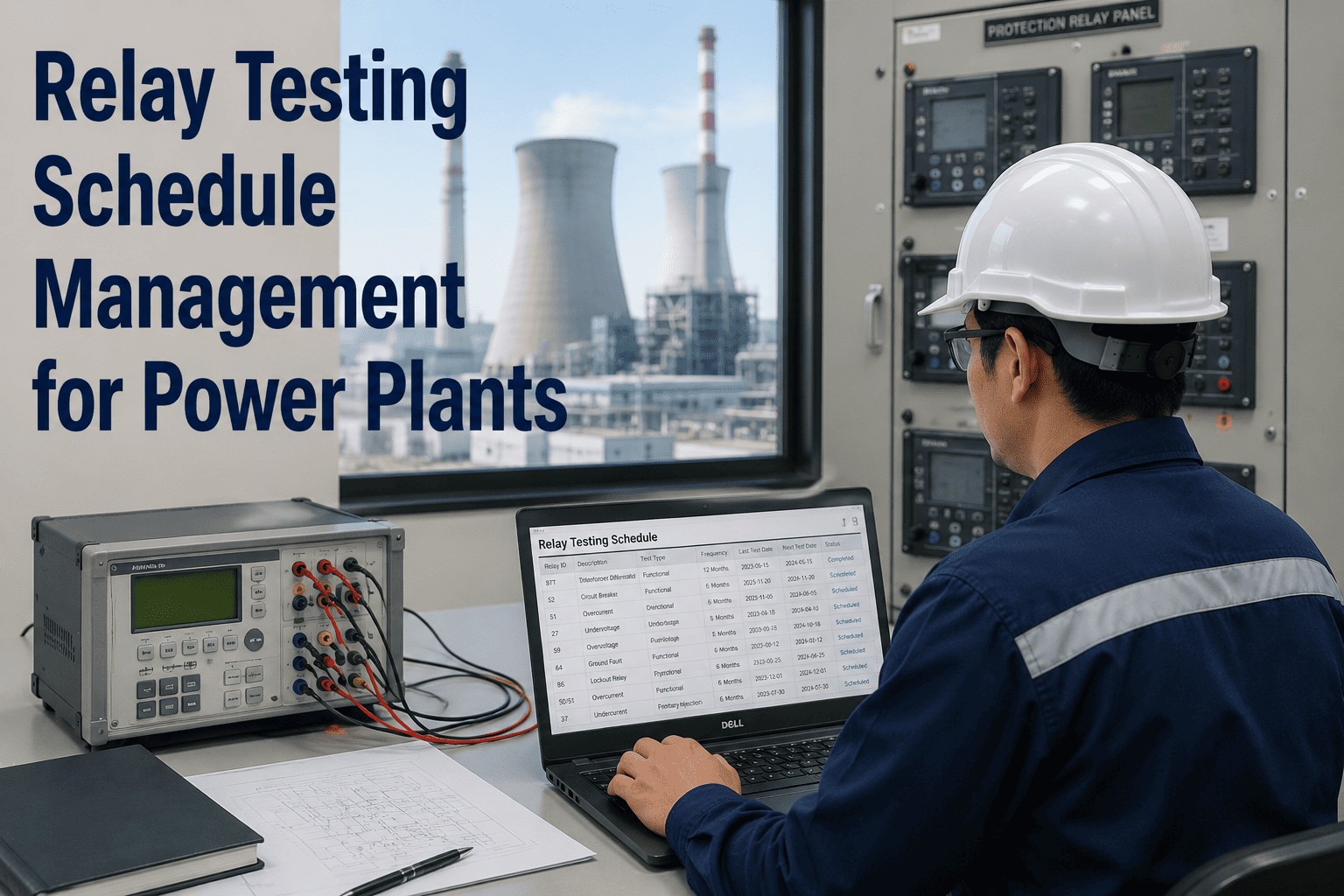
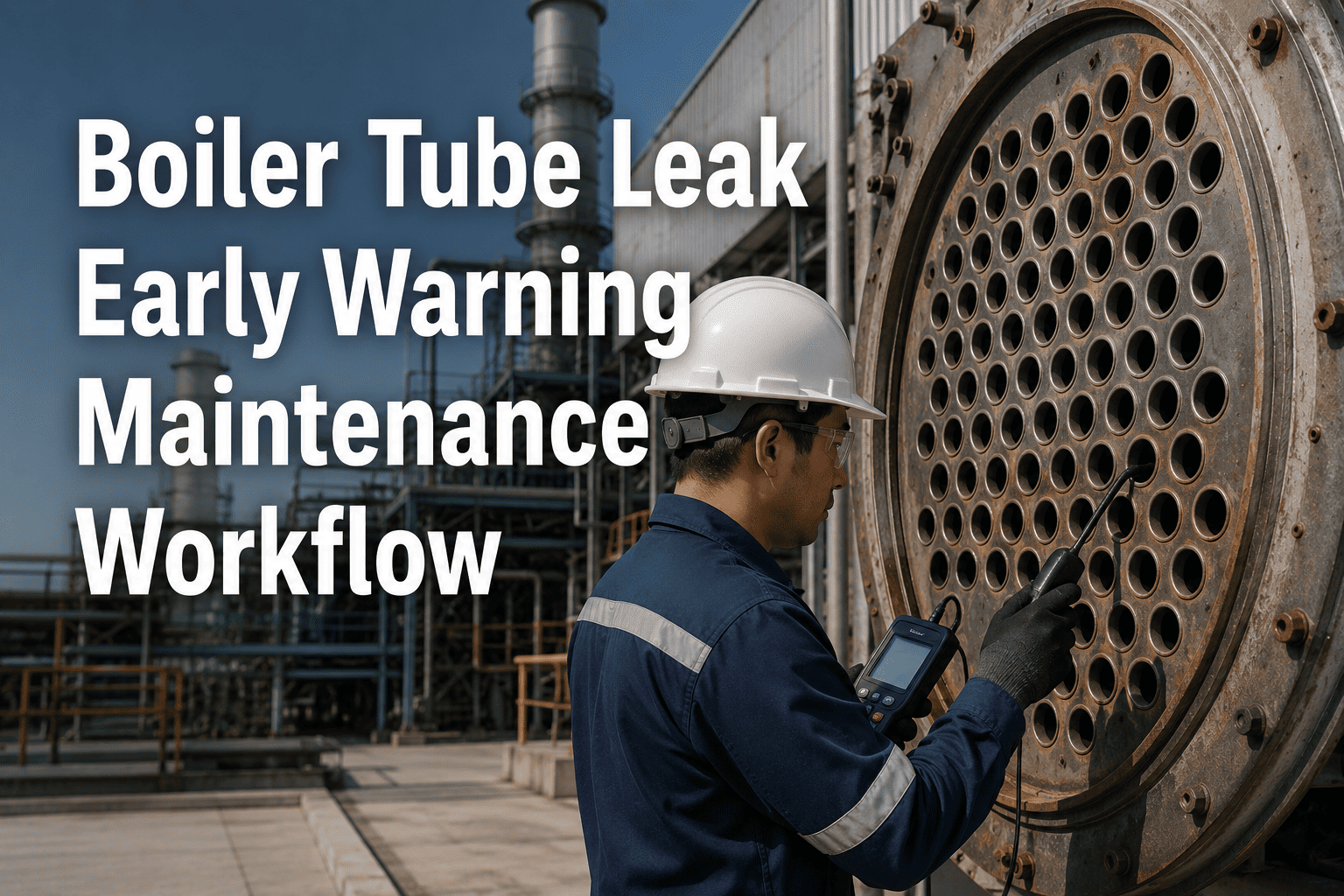
Turbines, pumps, compressors, and motors are the heartbeat of every power plant — and when any one of them fails without warning, the cost is never just the repair bill. Lost generation output, safety incidents, regulatory scrutiny, and emergency procurement on a 72-hour timeline add up fast. Oxmaint's rotating equipment CMMS gives maintenance engineers a structured, data-connected platform to manage vibration trends, lubrication schedules, bearing histories, and overhaul planning — so the next failure your team responds to is one you predicted, not one that blindsided you at 2 AM on a Saturday.
What Makes Rotating Equipment Maintenance Different
Rotating equipment does not fail the way static assets do. A leaking valve gives you visible warning. A corroding pipe shows its hand over months. A turbine bearing running hot for 18 hours before seizure tells a very different story — one that only vibration data and trend analysis can read in advance. The failure physics are faster, the consequences are bigger, and the diagnostic requirements are more technical than almost anything else in a plant.
42%
of unplanned plant outages traced to rotating equipment failure
15%
of all industrial workplace fatalities linked to rotating machinery incidents
3–5x
higher repair cost for emergency breakdown vs. planned overhaul
30%
average MTBF improvement with condition-based maintenance programs
The Four Equipment Types That Drive Power Plant Reliability
Not all rotating assets carry the same criticality weight. A cooling fan failing mid-shift is an inconvenience. A boiler feed pump failing at full load is a generation trip. Understanding how each asset class fails — and what maintenance strategy fits — is the starting point for any serious reliability program.
Steam & Gas Turbines
Common Failure Modes
Blade erosion and fatigue cracking
Bearing wear from lube oil contamination
Rotor imbalance from deposit buildup
Seal degradation and steam leakage
Key Monitoring Parameters
Shaft vibration (displacement, velocity)
Bearing metal temperature
Lube oil pressure and viscosity
Differential expansion and eccentricity
Maintenance Strategy
Vibration-triggered condition-based
Oil analysis at defined intervals
Thermographic blade inspection
Borescope inspection at overhaul
Centrifugal & Positive Displacement Pumps
Common Failure Modes
Cavitation from off-BEP operation
Mechanical seal failure and leakage
Impeller wear and internal recirculation
Shaft misalignment causing bearing fatigue
Key Monitoring Parameters
Flow rate vs. design BEP deviation
Suction and discharge pressure
Vibration at pump casing and bearing
Motor current draw anomalies
Maintenance Strategy
BEP monitoring with SCADA integration
Seal inspection every 2,000–4,000 hrs
Alignment check post-reinstallation
Impeller clearance measurement annually
Process Compressors
Common Failure Modes
Surge from operating outside design envelope
Dry gas seal degradation
Overheating from gas contamination
Valve failure in reciprocating units
Key Monitoring Parameters
Discharge temperature and pressure ratio
Surge margin from anti-surge controller
Seal gas flow rates
Interstage cooler performance
Maintenance Strategy
Oil analysis and filter change schedule
Anti-surge system functional testing
Valve condition monitoring (reciprocating)
Rotor balance check at overhaul
Electric Motors & Gearboxes
Common Failure Modes
Stator winding insulation breakdown
Bearing failure from over/under-lubrication
Gear tooth pitting and spalling
Coupling misalignment and wear
Key Monitoring Parameters
Winding temperature and insulation resistance
Vibration at drive-end and non-drive-end
Gear oil contamination and viscosity
Current signature analysis (MCSA)
Maintenance Strategy
Infrared thermography quarterly
Insulation resistance testing annually
Gear oil change per OEM interval
Laser alignment after any coupling work
Vibration Analysis: The Earliest Warning You Have
Vibration data is the primary language rotating equipment uses to signal distress — long before heat, noise, or performance degradation becomes visible. Understanding what vibration signatures mean at each frequency range is the difference between catching a bearing defect at six weeks and discovering it at six minutes before seizure.
Frequency Range
Likely Fault Indicated
Equipment Most Affected
Recommended Action
Sub-synchronous (below 1x)
Oil whirl, rub, surge instability
Turbines, compressors
Lube oil system check, surge controller review
1x Running Speed
Unbalance, misalignment (radial)
All rotating equipment
Balance check, laser alignment verification
2x Running Speed
Angular misalignment, looseness
Pumps, motors, gearboxes
Coupling inspection, foundation bolt check
High Frequency (bearing defect frequencies)
Inner/outer race defects, rolling element wear
All — especially pumps and motors
Bearing replacement within planned window
Very High Frequency (ultrasonic range)
Cavitation, early-stage lubrication failure
Pumps, compressors
Process parameter review, lubrication audit
Connect Your Vibration Data to Your Maintenance Workflow
Most plants collect excellent vibration data — and do nothing with it until a failure happens. Oxmaint connects condition monitoring readings directly to work order generation, so a threshold breach at 3 AM becomes a scheduled repair, not a 6 AM emergency call. See it live or start tracking your rotating assets today.
Lubrication Management: The Single Highest-ROI Maintenance Activity
Industry data consistently shows that 40–50% of all rotating equipment bearing failures are lubrication-related — wrong lubricant grade, contaminated oil, over- or under-greasing, or simply running past the change interval. Getting lubrication right costs almost nothing. Getting it wrong costs everything.
01
Right Lubricant Selection
Match viscosity grade to operating temperature range and load profile. High-speed turbine bearings have completely different requirements than slow-speed gearbox output shafts. Oxmaint stores OEM-specified lubricant grade per asset — so the right product is always visible before the job starts.
02
Oil Analysis Program
Regular oil sampling detects metal particle content (indicating wear), water ingress, acidity increase, and viscosity drift — all before these conditions damage bearings or seals. Oxmaint tracks oil sample results against asset records and flags deviation trends automatically.
03
Interval-Based Change Schedules
Oil change intervals should be set by operating hours, not calendar days — because a compressor running 8,000 hours/year degrades oil much faster than one running 3,000. Oxmaint schedules runtime-based lubrication PMs and alerts the assigned technician before the window is breached.
04
Contamination Control
Clean lubricant storage, dedicated dispensing equipment per lubricant type, and sealed transfer containers prevent the most common contamination source — particulates introduced during servicing. Work orders in Oxmaint include contamination-control checklist steps that technicians complete before closure.
Building a Rotating Equipment Reliability Program in Oxmaint
A reliability program is not a list of PMs. It is a structured decision framework that tells you which assets to monitor, how to monitor them, what thresholds trigger action, and what that action looks like — all documented and repeatable. Here is how Oxmaint structures that framework for rotating equipment.
Step 1
Asset Criticality Ranking
Classify every rotating asset by consequence of failure — production impact, safety risk, and mean time to repair. Critical assets get condition-based monitoring and tighter PM intervals. Non-critical assets get calendar-based schedules. Oxmaint maintains criticality ratings per asset and adjusts alert escalation thresholds accordingly.
Step 2
Failure Mode Mapping
For each critical asset, document the known failure modes, the earliest detectable indicator, and the lead time between detection and failure. This drives your monitoring strategy — if bearing defect frequencies give you 6–8 weeks of warning, your vibration route frequency needs to match that window.
Step 3
PM and Condition Monitoring Schedule
Set runtime-triggered and calendar-triggered PM tasks per asset in Oxmaint, linked to the failure modes they address. Vibration routes, oil sampling, alignment checks, seal inspections — each task is assigned to a qualified technician, escalated if overdue, and logged with completion evidence.
Step 4
Threshold Alerts and Work Order Generation
Connect SCADA sensor data to Oxmaint. When a bearing temperature exceeds its alert threshold or a vibration reading enters the alarm zone, Oxmaint automatically generates a work order assigned to the responsible engineer — with the asset history, last inspection result, and OEM specs already attached.
Step 5
Root Cause Analysis and CAPA Closure
When a failure does occur, Oxmaint links the corrective work order to a formal CAPA record. Root cause documentation, corrective actions, and evidence of effectiveness are stored against the asset — preventing the same failure from repeating and building a searchable failure history across your fleet.
Key Metrics That Define a High-Performing Reliability Program
MTBF
Mean Time Between Failures
The primary indicator of whether your maintenance strategy is working. Track per asset class and per individual unit. A declining MTBF trend on a specific pump is a signal before the failure event itself.
MTTR
Mean Time to Repair
Reflects how ready your team is when failures happen — spare parts availability, documentation access, and technician skill all show up here. Oxmaint tracks MTTR automatically from work order open to closure.
PM Compliance %
Scheduled Maintenance Completion Rate
If PMs are being missed, deferred, or closed without completion evidence, your reliability program is eroding silently. Target above 90%. Oxmaint reports this per asset class, per plant area, and per technician.
Reactive Ratio
Emergency vs. Planned Work Orders
Best-in-class rotating equipment programs run below 20% reactive work. If your team is spending more than that responding to failures, your PM strategy needs recalibration — not more technicians.
Frequently Asked Questions
How does Oxmaint handle vibration data from existing condition monitoring systems?
Oxmaint integrates with SCADA systems, historians, and standalone vibration monitoring hardware to pull real-time or periodic readings directly into asset records. When a reading crosses a configurable threshold, Oxmaint auto-generates a work order assigned to the responsible technician — with the full vibration trend, asset history, and last PM record already visible. No more manually checking monitoring software and then re-entering findings into a separate work order system.
Can we set different PM intervals for different assets — runtime-based and calendar-based?
Yes.
Oxmaint supports runtime-based triggers (e.g., every 4,000 operating hours), calendar-based triggers (e.g., every 90 days), and whichever-comes-first logic for assets where both apply. Each PM task can be set independently per asset — so your boiler feed pump gets an oil analysis every 2,000 hours while your cooling tower fan gets a bearing grease every 30 days. This removes the guesswork from interval decisions entirely.
How does Oxmaint support oil analysis and lubrication management programs?
Oxmaint stores the OEM-specified lubricant grade per asset, schedules oil sampling and change work orders based on runtime or calendar intervals, and allows lab results to be attached directly to the asset record. When oil analysis results indicate abnormal metal content or viscosity drift, a linked corrective work order can be created immediately. Full lubrication history — what was used, when it was changed, and what the sample results showed — is visible per asset for any date range.
Does Oxmaint help with root cause analysis after a rotating equipment failure?
After any failure,
Oxmaint links the emergency work order to a formal CAPA record where your team documents the root cause, corrective action plan, and evidence of effectiveness. All prior vibration readings, PM records, oil analysis results, and work order history for that asset are visible in one place — so the RCA process starts with context, not a paper chase. CAPA closure requires documented evidence before the record is sealed, ensuring systemic fixes are tracked and verified.
How quickly can a power plant team get set up on Oxmaint?
Most power plant teams are capturing live work orders within two to four weeks of starting with
Oxmaint. Asset migration, PM schedule setup, and technician onboarding happen in parallel — so you do not wait for full historical data import before the system starts delivering value.
Book a 30-minute demo and we will walk through a deployment plan scoped to your plant size and rotating equipment count.
Stop Reacting. Start Predicting.
Every bearing that fails without warning, every oil change that happens two months late, and every vibration trend that nobody looked at until it was too late — these are the costs a structured rotating equipment reliability program eliminates. Book a live demo of Oxmaint built around your turbines, pumps, and compressors — or create a free account and start building your asset registry today.