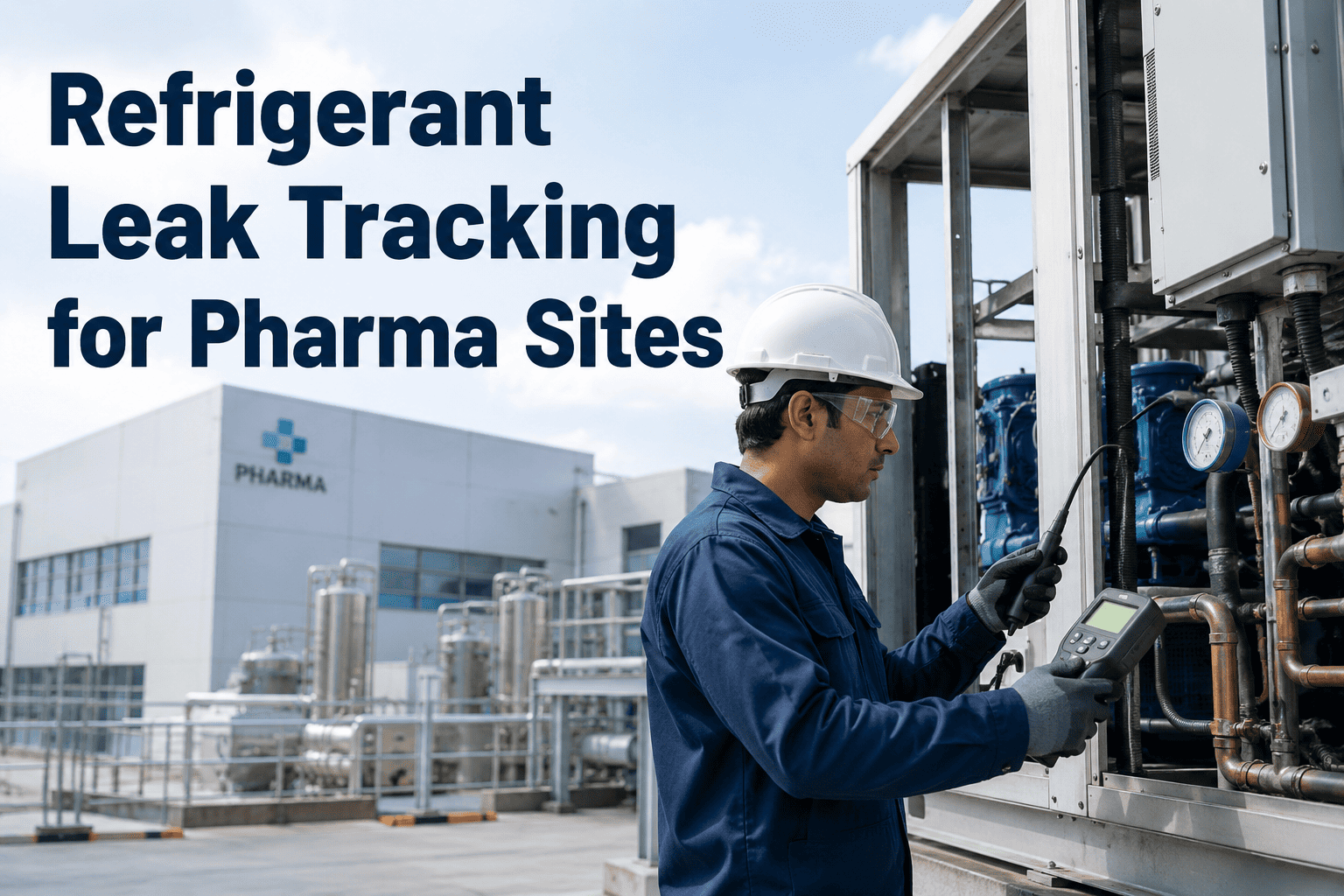
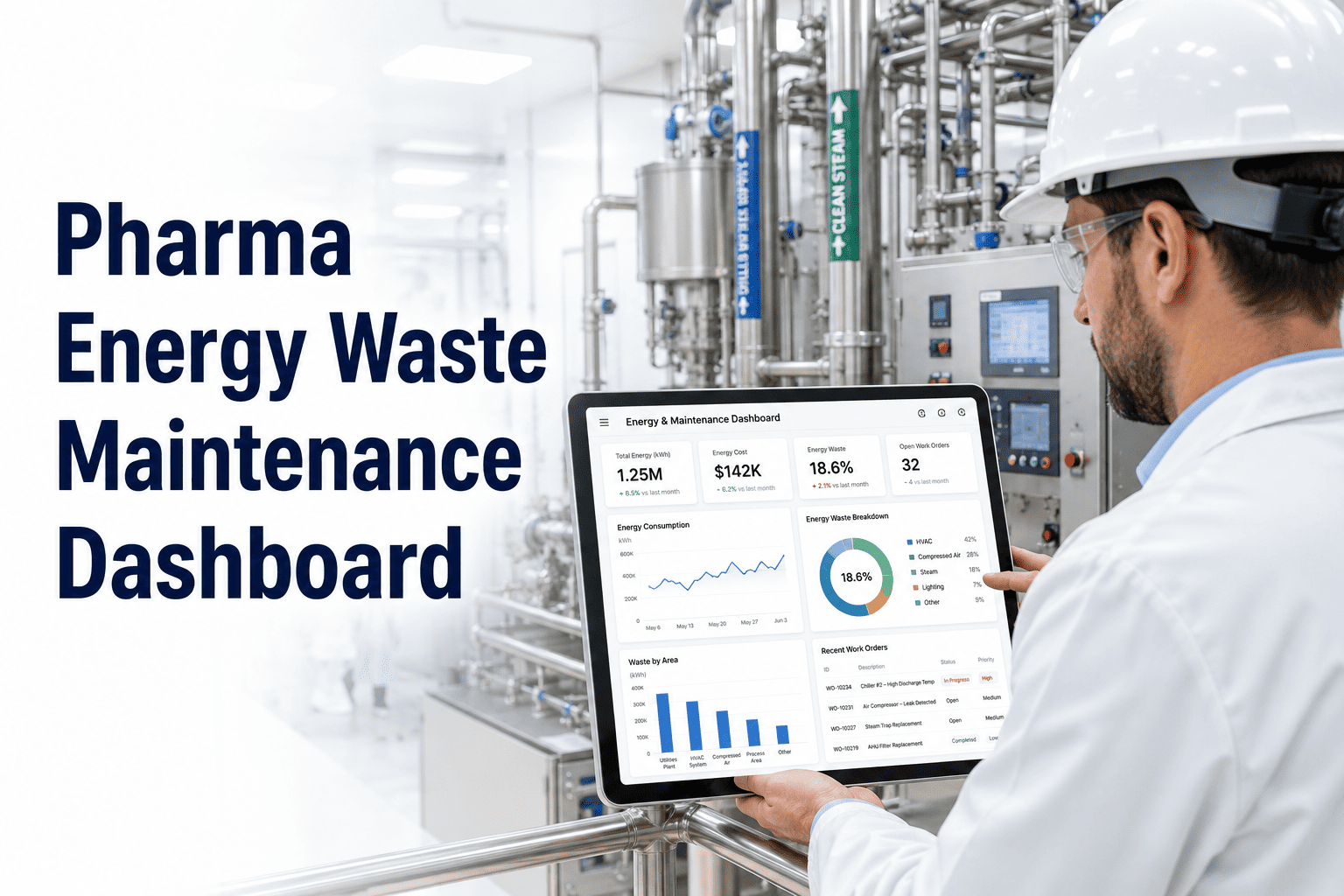
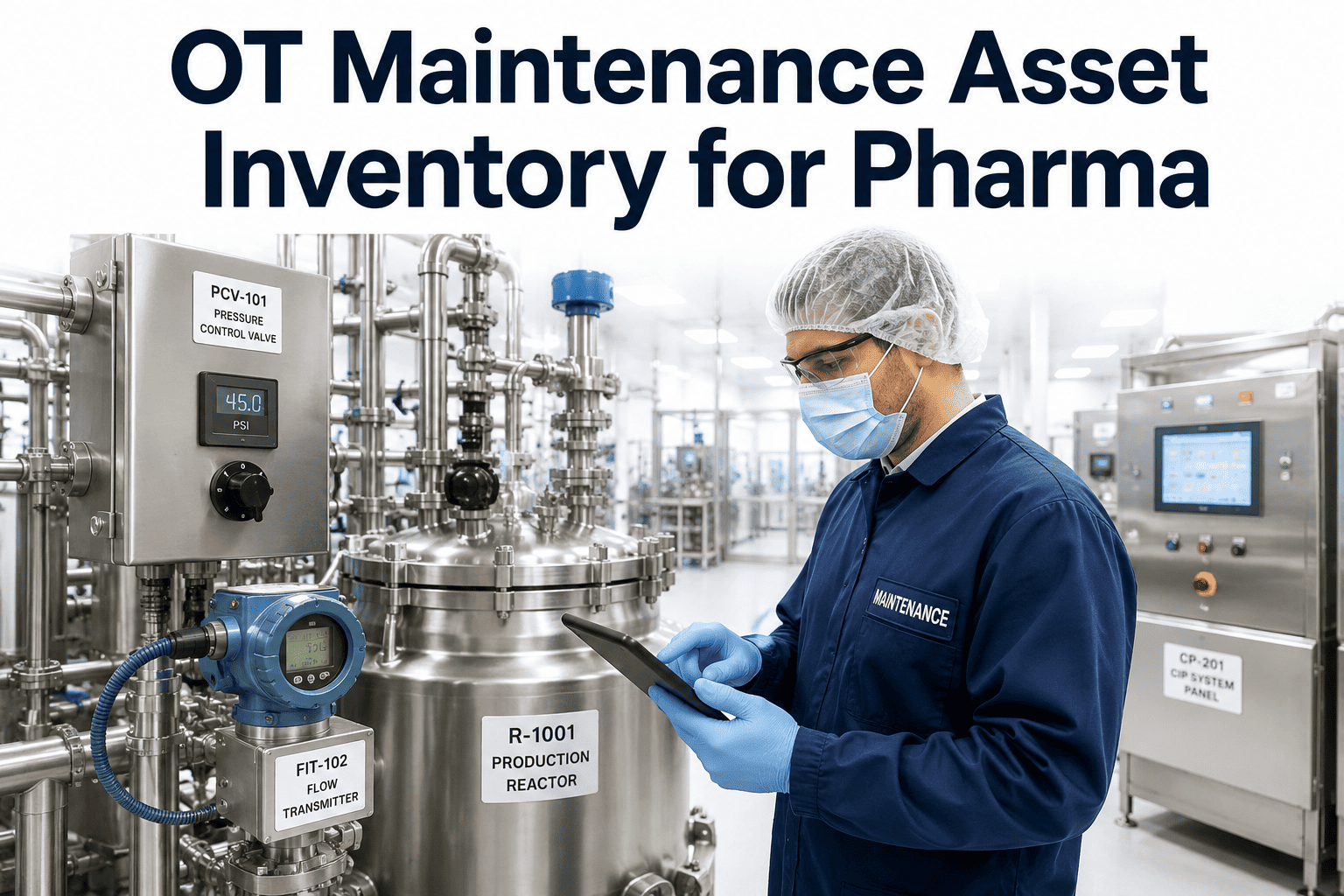
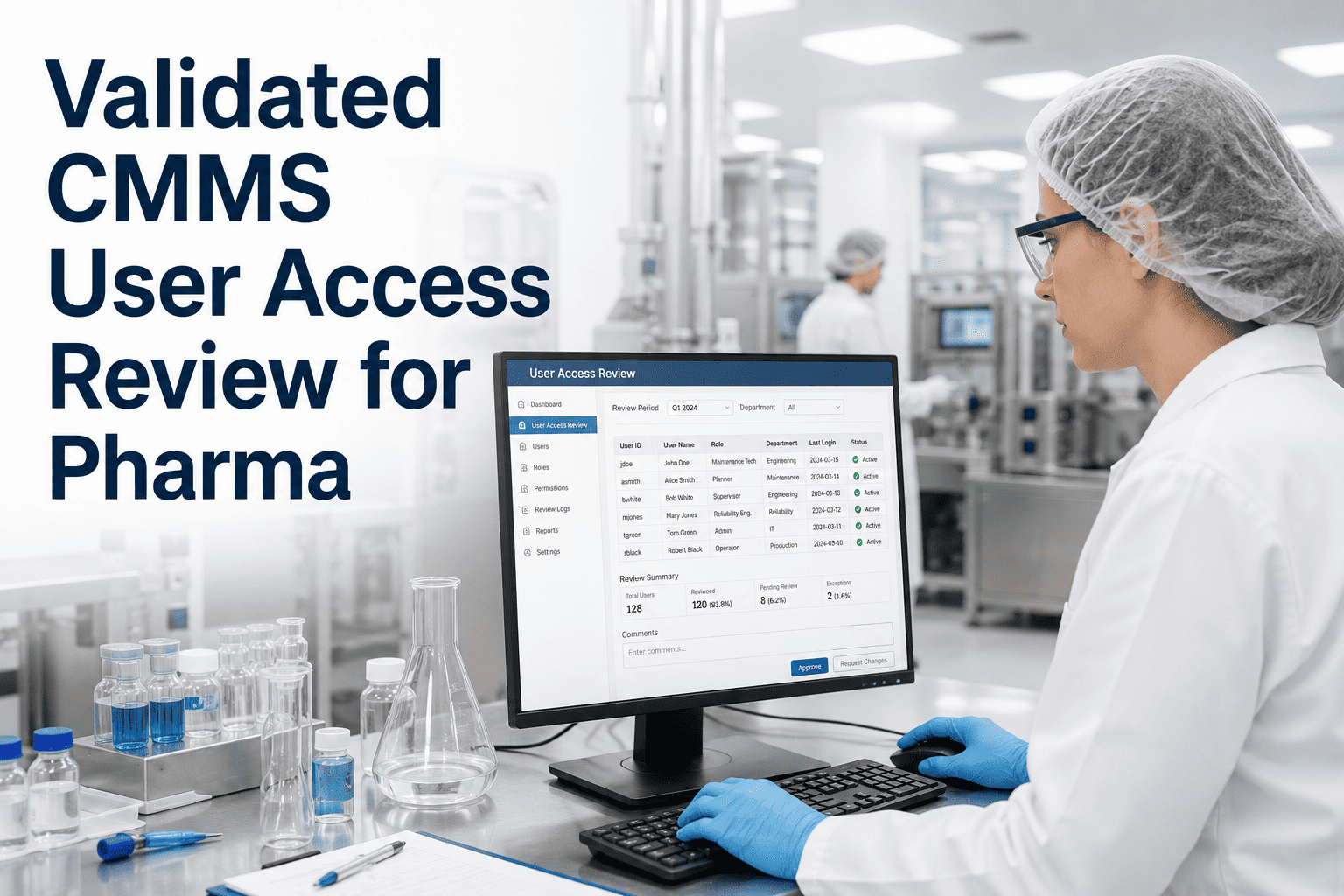
Pharmaceutical manufacturing sites operate under some of the strictest environmental and facility compliance requirements in any industry. Chiller systems, cold storage units, and HVAC equipment across U.S. and Canadian pharma campuses carry large refrigerant charges — and under updated EPA regulations effective January 2026, equipment containing just 15 pounds or more of HFC refrigerant now requires documented leak inspections, mandatory repair timelines, and full audit trails. A missed inspection or undocumented repair is not a minor oversight — penalties reach $69,733 per day under current EPA enforcement rules. OxMaint tracks refrigerant leaks, repair records, inspection dates, and compliance evidence across all your pharma sites in one CMMS — replacing spreadsheets and paper logs with a searchable, audit-ready system. If your compliance records are scattered across site folders right now, book a demo to see how pharma teams use OxMaint to pass audits without scrambling.
Compliance Checklist · Pharma HVAC
Refrigerant Leak Tracking for Pharma Sites
Track every chiller and HVAC refrigerant leak, repair, and inspection date across U.S. and Canadian pharma facilities — with audit-ready evidence always on file.
EPA 2026 Key Requirements
Systems with 15+ lbs HFC now covered (down from 50 lbs)
Comfort cooling: 10% annual leak rate threshold
Repairs required within 30 days of exceeding threshold
Auto leak detection required for 1,500+ lb systems by 2027
Chronic leakers (125%+ charge/year) must be reported to EPA
Up to $69,733/day in penalties for non-compliance
The Pharma Refrigerant Compliance Gap
Common Practice
Paper inspection logs stored in site binders, leak records in email threads, repair dates tracked in Excel — scattered across multiple buildings and contractors.
What Auditors Expect
Timestamped inspection records per asset, repair work orders with technician sign-off, leak rate calculations per system, and complete history accessible in under two minutes.
| System Type |
Refrigerant Threshold |
Leak Rate Limit |
Repair Deadline |
Inspection Frequency |
| Comfort Cooling (HVAC) |
15 lbs HFC (GWP >53) |
10% per year |
30 days |
Annually |
| Commercial Refrigeration |
15 lbs HFC (GWP >53) |
20% per year |
30 days |
Annually or quarterly |
| Industrial Process Refrigeration |
15 lbs HFC (GWP >53) |
30% per year |
30 days |
Quarterly (500+ lbs) |
| Large Systems (500+ lbs) |
Any HFC charge |
Per category above |
30 days |
Quarterly until 4 clean quarters |
| Auto Leak Detection Required |
1,500+ lbs HFC |
Continuous monitoring |
Immediate alert |
Annual ALD audit/calibration |
Refrigerant Compliance Checklist for Pharma Sites
Use this checklist to assess your current tracking readiness. Every item needs a documented record in your CMMS — not a binder on a shelf.
Asset Inventory
All HVAC and chiller units are tagged with asset ID, refrigerant type, and full charge weight in OxMaint
Systems with 15 lbs or more of HFC are flagged for EPA regulation compliance tracking
System type (comfort cooling, commercial refrigeration, IPR) is recorded per asset for correct leak rate threshold assignment
Assets with 1,500+ lbs charge are identified for automatic leak detection system (ALD) compliance by January 2027
Inspection Records
Scheduled inspection work orders are set in OxMaint on the correct annual or quarterly cycle per system type
Each inspection is logged with date, technician name, method used, and leak rate calculation result
Inspection records are linked to the asset in OxMaint — not stored in a separate folder or spreadsheet
Overdue inspections trigger an automated alert to the facility compliance manager before the deadline passes
Leak Detection and Repair
Detected leaks are immediately logged as a work order with timestamp, location, and estimated leak rate in OxMaint
Repair work order includes repair method, parts used, technician certification number, and post-repair verification test result
30-day repair deadline is tracked automatically — escalation alert fires if the work order remains open at day 20
Follow-up inspection is scheduled and logged within the required timeframe after each repair is completed
Audit Readiness
Annual refrigerant charge history per asset is exportable from OxMaint as a compliance report in PDF or CSV
Chronic leaker identification — systems leaking 125%+ of full charge per year — is tracked and reported to EPA as required
Multi-site records across all U.S. and Canadian pharma campuses are consolidated in one OxMaint account — no site-by-site folder hunting
All contractor work performed on refrigerant systems is documented with vendor name, license number, and work order reference
Is your pharma site audit-ready right now?
OxMaint structures refrigerant inspection schedules, leak work orders, and compliance reports across every site — so your records are ready the day the auditor arrives, not the week after.
How OxMaint Manages Refrigerant Compliance Across Multi-Site Pharma Operations
1
Asset-Level Refrigerant Profile
Each chiller and HVAC unit carries a refrigerant profile in OxMaint — type, charge weight, GWP, regulatory category, and inspection cadence. This profile drives all scheduled work orders automatically.
2
Inspection Work Order Automation
OxMaint generates inspection work orders on the correct cycle — annually for smaller systems, quarterly for large-charge equipment. Technicians complete checklist fields on mobile and sign off digitally.
3
Leak-to-Repair Work Order Chain
When a leak is detected, OxMaint creates a repair work order linked to the inspection finding — with the 30-day EPA deadline set automatically. Escalation alerts fire before deadlines are missed.
4
Compliance Report Export
Export a full compliance package per site or per asset — covering inspection history, leak events, repair records, leak rate calculations, and follow-up verifications — in minutes, not days.
Expert Perspective
EHS
The AIM Act has fundamentally changed what pharma EHS teams need to maintain. The threshold drop from 50 to 15 pounds means facilities that had no EPA refrigerant tracking obligations in 2024 are now fully regulated in 2026. The teams that will struggle are those still using spreadsheets and paper binders — because audit examiners now expect a digital chain of custody for every pound of refrigerant that moves through your facility. A CMMS with refrigerant-specific work order fields is not optional anymore; it is the baseline.
Environmental Health and Safety Director
Pharmaceutical manufacturing compliance, North America, 15 years experience
Frequently Asked Questions
Which pharma facility systems are now covered under the updated EPA thresholds?
As of January 2026, any stationary system containing 15 pounds or more of HFC refrigerant with a GWP greater than 53 is subject to EPA leak inspection, repair, and record-keeping requirements under 40 CFR Part 84, Subpart C. This covers most commercial HVAC units, cold storage rooms, process cooling chillers, and laboratory climate control systems on a pharma campus — many of which were below the previous 50-pound threshold and had no tracking obligations before this change.
OxMaint's asset tagging system helps you identify every affected system across all sites immediately.
How does OxMaint calculate and track the leak rate per system?
Each time refrigerant is added to a system through an inspection or repair work order, the amount added is logged against the asset's full charge weight. OxMaint calculates the rolling annual leak rate per asset and flags systems approaching or exceeding their regulatory threshold — 10% for comfort cooling, 20% for commercial refrigeration, or 30% for industrial process refrigeration. This calculation is always current and does not require manual spreadsheet work.
Book a demo to see the leak rate dashboard in action.
Can OxMaint consolidate refrigerant records across multiple pharma campuses in different countries?
Yes. OxMaint supports multi-site asset hierarchies with site-level compliance settings — meaning U.S. facilities track to EPA AIM Act requirements while Canadian facilities track to Environment and Climate Change Canada (ECCC) refrigerant management regulations, all within the same account. Reports can be generated per site, per country, or across the full portfolio. This is particularly valuable for pharma groups operating across North America under different regulatory bodies with overlapping but distinct requirements.
What documentation does OxMaint generate for an EPA audit?
OxMaint produces a complete compliance package per asset including: inspection dates and outcomes, technician certification details, refrigerant amounts added per service event, calculated annual leak rates, repair work orders with completion timestamps, post-repair verification test results, and chronic leaker flags where applicable. The entire package can be exported as a PDF or CSV from the
OxMaint dashboard within minutes — reducing audit preparation from days to a single export action.
EPA enforcement is active. $69,733/day for non-compliance is not a hypothetical.
OxMaint gives pharma facility teams audit-ready refrigerant records across every site — without spreadsheets, paper binders, or last-minute scrambles before an inspection.